
TEXT US
perththaimassage
November 22, 2024
Do not hesitate to contact us. Your enquiries is most welcome.
Embarking on your first Thai massage is an exciting experience. This ancient practice combines acupressure, deep tissue massage, and yoga-inspired stretches to deliver a unique blend of relaxation and rejuvenation. However, if it’s your first time, you may have some questions or uncertainties about what to expect. This guide will help you prepare for your session and make the most of your experience.
Thai massage differs from other types of massage as it’s typically performed fully clothed. It’s important to wear loose, comfortable clothing that allows for easy movement. Clothes such as lightweight tracksuit pants, yoga pants, or a loose-fitting T-shirt are perfect. Many massage centres also provide appropriate clothing if needed.
It’s a good idea to arrive 10–15 minutes before your appointment. This gives you time to relax, fill out any necessary paperwork, and discuss your preferences or health concerns with your therapist.
Be upfront about any areas of tension, injuries, or health conditions. For instance, if you have back pain or tight shoulders, let your therapist know so they can tailor the session to suit your needs. Don’t hesitate to ask questions if you’re unsure about anything.
While you don’t want to be hungry during your massage, avoid having a heavy meal right beforehand. A light snack is fine, but a full stomach can make it uncomfortable to move through the poses and stretches.
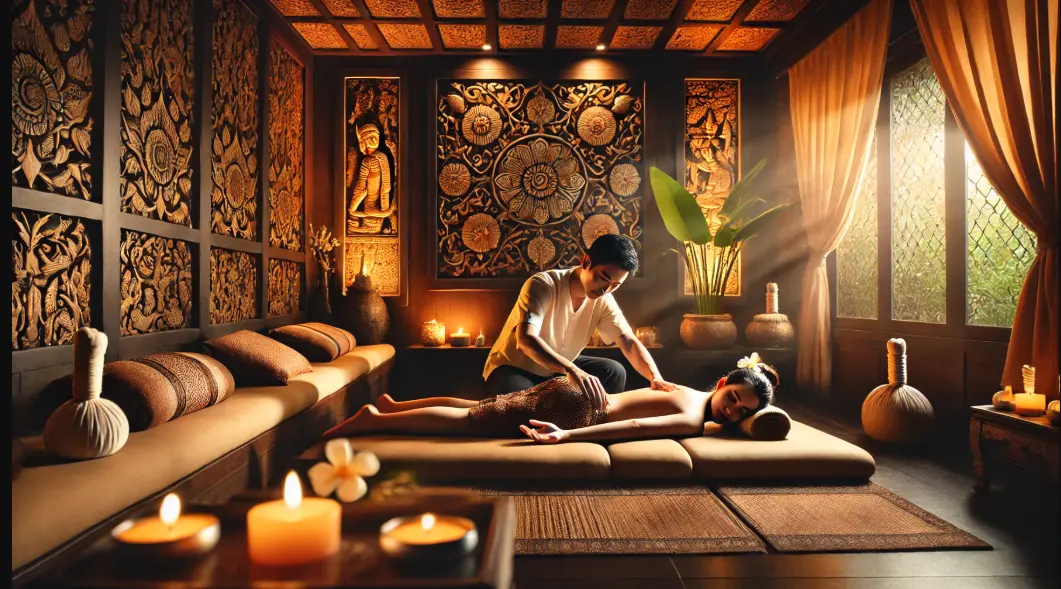
For example, when you enter a Perth Thai Massage, you’ll notice the serene, calming atmosphere. Most rooms are designed with minimal distractions, soft lighting, and natural décor, often with touches of Thai culture. Instead of a massage table, you’ll lie on a comfortable floor mat, which allows for the dynamic stretches and movements that are central to Thai massage.
The space is often quiet, with gentle music or ambient sounds playing in the background. Aromatherapy may be used to enhance relaxation, although oils are not applied directly to the body during a traditional Thai massage.
Thai massage is known for its flowing sequence of movements. Your therapist will use their hands, elbows, knees, and sometimes feet to apply pressure and guide your body into stretches. These movements are designed to target energy lines in the body, known as “Sen lines,” which help release tension and improve overall energy flow.
Think of Thai massage as “assisted yoga.” Your therapist will move your body into various poses and stretches. Don’t worry if you’re not flexible—these stretches are tailored to your abilities, and the therapist does most of the work for you. This aspect makes Thai massage particularly beneficial for improving mobility and relieving stiffness.
Therapists often focus on specific pressure points to stimulate circulation and relieve pain. The pressure can range from light to firm, depending on your preference. It’s always okay to ask your therapist to adjust the intensity to ensure you’re comfortable.
During the massage, your therapist may guide you to focus on your breathing. Deep, steady breaths help you relax and maximise the benefits of the stretches and pressure point work.
The effects of a Thai massage can linger long after the session ends. Here are some tips to help you make the most of the experience:
Like any massage, Thai massage helps to release toxins from your muscles. Drinking plenty of water afterwards aids in flushing these toxins out of your system and helps prevent dehydration.
While you may feel energised after your session, it’s also normal to feel deeply relaxed. Avoid strenuous activities immediately after your massage. If possible, take the rest of the day to unwind and let your body adjust.
Pay attention to any changes in your body over the next few days. You may notice improved flexibility, less tension, or even better sleep. These are all signs that your body is responding positively to the treatment.
It’s normal to have some questions or concerns before your first Thai massage. Here are a few common ones:
While Thai massage can be intense, it should never be painful. The stretches and pressure are designed to challenge your body without causing discomfort. If you feel any pain, let your therapist know immediately so they can adjust.
Absolutely not! Thai massage is suitable for people of all flexibility levels. The therapist will adapt the stretches to your body’s abilities, ensuring you’re always comfortable.
Falling asleep during a massage is common, especially as your body relaxes deeply. Don’t worry—your therapist will continue the session and gently wake you if needed.
Thai massage is generally safe for most people, but if you’re pregnant, have a medical condition, or are recovering from an injury, consult your doctor first. Inform your therapist about any health concerns before the session.
Thai massage is more than just a physical treatment; it’s a holistic practice that nurtures both the body and mind. Here are some of the key benefits:
It helps reduce muscle tension, improve posture, and enhance flexibility. Regular sessions can also relieve chronic pain and improve circulation.
Thai massage promotes relaxation and reduces stress, making it a great way to recharge your mind and spirit.
Unlike traditional massages, Thai massage involves active participation. The combination of stretches, pressure, and mindfulness creates a uniquely energising and balancing experience.
Your first Thai massage is a step towards better physical and mental well-being. By knowing what to expect and communicating openly with your therapist, you can enjoy the full benefits of this ancient practice. Whether you’re looking to relieve stress, improve flexibility, or simply try something new, Thai massage offers a unique and rewarding experience.
So, relax, breathe, and let your therapist guide you on a journey of healing and rejuvenation. If you happen to be in Perth WA, then visit us at Perth Thai Massage.
Be sure to check our next article on “How to Choose the Right Thai Massage Therapist for You“