
TEXT US
perththaimassage
February 13, 2025
Do not hesitate to contact us. Your enquiries is most welcome.
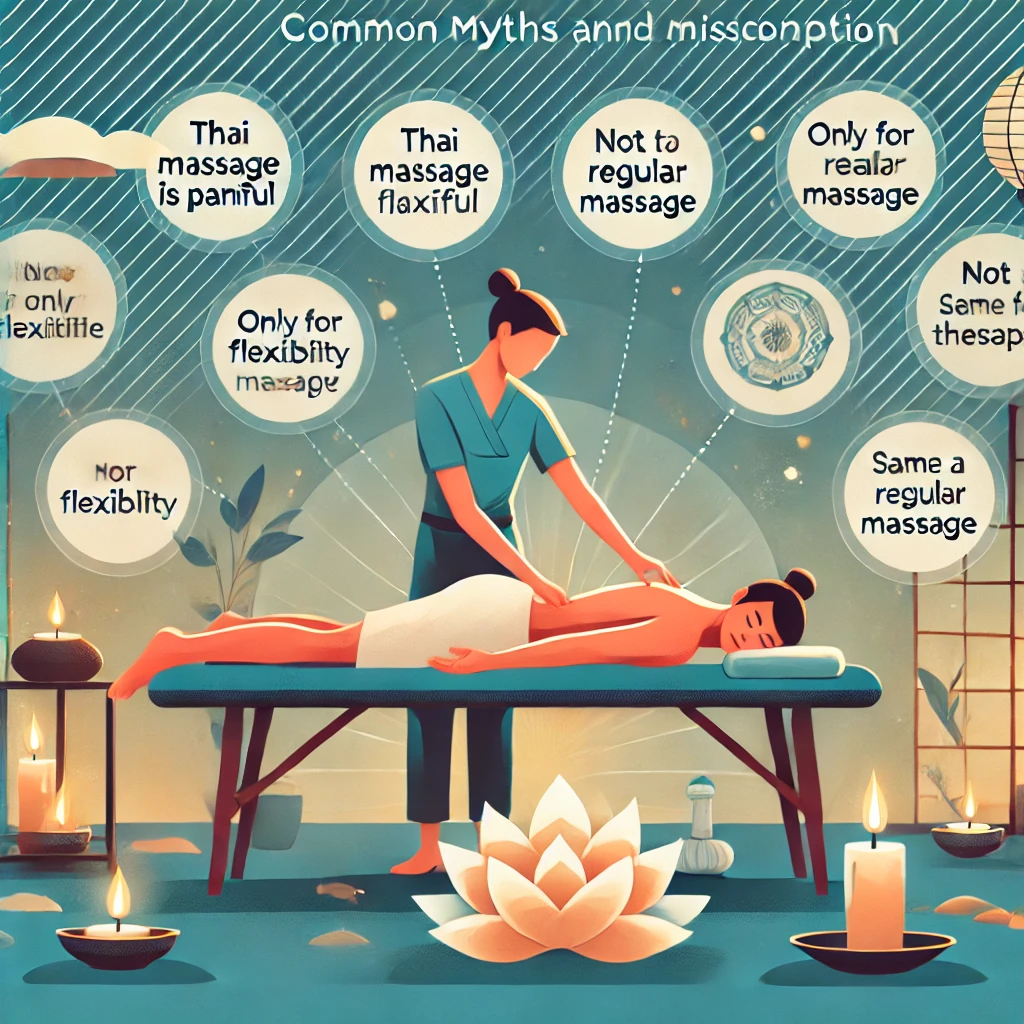
Thai massage is an ancient healing practice with a history spanning over 2,500 years. Rooted in traditional Thai medicine, it combines elements of acupressure, assisted yoga-style stretching, and energy line work to promote overall well-being. Despite its growing popularity, many misconceptions about Thai massage persist, causing uncertainty among first-time clients.
In this article, we will bust some of the most common myths about Thai massage to help you understand what to expect and how it can benefit your health and well-being.
One of the biggest misconceptions about Thai massage is that it is painful. Because it involves stretching and deep-pressure techniques, some people assume that it will be an intense and uncomfortable experience.
In reality, a professional Thai massage therapist always tailors the pressure and intensity to suit the client’s comfort level. While you may experience a deep stretch, you should never feel excessive pain. Communication with your therapist is key—if a particular movement feels too intense, they can adjust their technique accordingly.
Thai massage is meant to release muscle tension, not cause discomfort. A well-trained therapist will know how to apply the right amount of pressure, ensuring a therapeutic and relaxing experience.
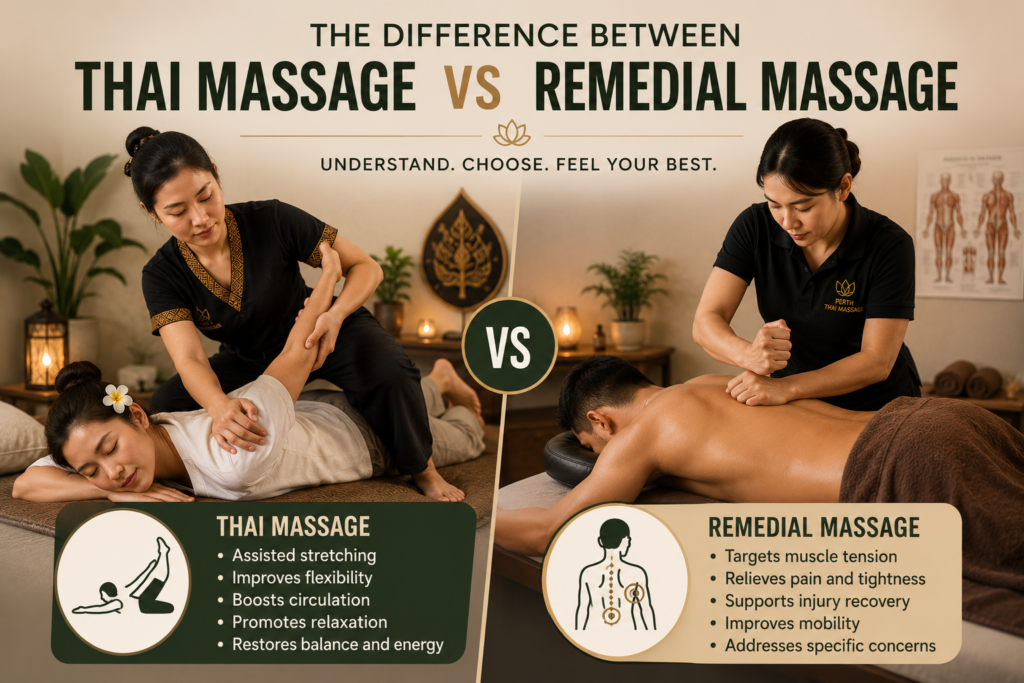
Thai massage does include a lot of stretching, but it is far more than just an assisted yoga session. It incorporates acupressure, energy line work (Sen lines), rhythmic compression, joint mobilisation, and deep tissue techniques to improve circulation, relieve muscle tension, and promote relaxation.
Unlike traditional Western-style massages, which focus on working directly on muscles, Thai massage works on energy pathways in the body. This holistic approach aims to restore balance and enhance overall health.
While stretching is a key component, it is combined with specific pressure techniques that stimulate blood flow, improve mobility, and promote healing.
Many people believe that you must already be flexible to benefit from Thai massage. This is not true. Thai massage is designed to improve flexibility over time, making it ideal for people of all ages and activity levels.
The therapist carefully guides your body through movements that suit your current mobility level. If you are stiff or have limited flexibility, they will make adjustments to ensure a comfortable experience. Over time, regular Thai massage can help increase flexibility, reduce muscle stiffness, and improve overall range of motion.
You don’t need to be able to do the splits or advanced yoga poses—Thai massage meets you where you are and helps your body gradually improve.
Some people assume that Thai massage is only for those seeking an energising or deep-tissue-style experience. While it can be invigorating, it is also incredibly relaxing.
The slow, rhythmic nature of Thai massage—combined with deep breathing and gentle rocking techniques—can help release built-up stress and tension in the body. Many clients report feeling a deep sense of calm and relaxation after a session.
Thai massage promotes mental and physical relaxation by stimulating the parasympathetic nervous system, which helps the body switch from “fight or flight” mode to a restful, restorative state.
Thai massage is often associated with athletes and yoga practitioners because it enhances flexibility, relieves muscle soreness, and speeds up recovery. However, it is beneficial for everyone—not just those who are physically active.
Thai massage is particularly helpful for:
You don’t need to be an athlete to benefit from Thai massage. It is a holistic therapy suitable for all lifestyles.
Many people think all massages are the same, but Thai massage is very different from Swedish or deep tissue massage.
Thai massage is a more active and interactive experience compared to the passive nature of Western massage styles. Rather than lying still on a table, clients are moved through stretches and pressure techniques that work on both muscles and energy lines.
It’s common for people to expect immediate and long-lasting results from a single Thai massage session. While you may feel better right away, regular treatments provide the best long-term benefits.
Much like exercise or physiotherapy, Thai massage works best when done consistently. Over time, multiple sessions help:
For general well-being, a monthly Thai massage may be sufficient. If you have specific issues like chronic tension or injuries, a more frequent schedule may be beneficial. Your therapist can recommend the best approach for your needs.
Some people worry that Thai massage is not suitable for them, especially if they have pre-existing medical conditions. While certain individuals (such as those with severe injuries or osteoporosis) may need modifications, Thai massage is generally safe for most people when performed by a trained professional.
If you have concerns, it’s always best to discuss your health conditions with your therapist beforehand. A skilled Thai massage therapist can adapt techniques to suit your body’s needs, ensuring a safe and effective experience.
Thai massage is a powerful and holistic healing practice that goes beyond simple relaxation. By debunking these common myths, more people can feel confident in trying it and enjoying its many benefits.
Whether you want to improve flexibility, reduce stress, enhance circulation, or relieve muscle tension, Thai massage offers a well-rounded approach to physical and mental well-being.
If you’ve been hesitant to try Thai massage because of these myths, now is the perfect time to experience the real benefits for yourself!
Would you like to book a Thai massage session in Perth? Let us know how we can help! Remember to like us on Facebook and be sure to check out the following article on understanding thai massage.
Traditional Thai massage is rooted in ancient Thai medicine and focuses on balancing and harmonizing the body. It involves gentle stretches, deep pressure, and rhythmic movements, which work together to relax the body and relieve tension. This holistic approach aims to restore harmony and improve overall well-being.
Physical touch has a profound impact on mental health, helping to lower anxiety and promote a sense of calm. Thai massage uses stretches and deep pressure to release physical tension in the body, which in turn calms the mind. When combined with breathwork and relaxation techniques, Thai massage enhances these benefits, contributing to improved mental well-being.
Thai massage is distinct due to its combination of gentle stretches, deep pressure, and rhythmic movements. Unlike other massage therapies, it incorporates elements of yoga, which enhances flexibility and mobility. This holistic approach makes Thai massage especially effective for reducing anxiety and relieving physical tension.
During your first Thai massage session, you can expect a gentle and relaxing experience. The therapist will focus on relieving tension and promoting relaxation using a combination of stretches, pressure, and rhythmic movements. It’s important to choose a reputable spa or experienced therapist to ensure a high-quality treatment that meets your needs.
For optimal results, it’s recommended to schedule regular Thai massage sessions, ideally once or twice a week. Incorporating other wellness practices, such as meditation or yoga, alongside your massage routine can further enhance its benefits and promote overall health and well-being.
When choosing a Thai massage practitioner, look for someone with experience and proper qualifications in Thai massage. Be sure to inquire about their techniques and approach to ensure they align with your needs. Selecting a skilled practitioner ensures a safe and effective treatment that helps you achieve your wellness goals.