
TEXT US
perththaimassage
June 20, 2025
Do not hesitate to contact us. Your enquiries is most welcome.
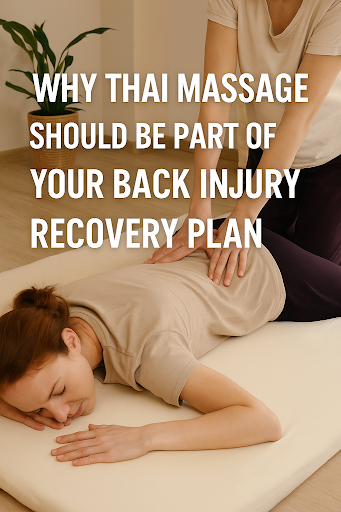
Back injuries can range from minor muscle strains to more serious conditions like herniated discs or chronic spasms. Whether you’re recovering from a gym mishap, overuse at work, or an awkward twist at home—healing takes time and the right support.
Thai massage has been used for centuries to assist with both injury recovery and long-term prevention. At Perth Thai Massage, we help clients rebuild strength, reduce inflammation, and improve mobility using gentle yet powerful techniques rooted in traditional Thai medicine.
When you’re healing from a back injury, the body needs two things: movement and relaxation. Too much of one without the other leads to setbacks. Thai massage provides a balanced approach by:
These effects not only speed up recovery but also prevent the formation of compensatory movement patterns that can lead to re-injury. When tension is released from overworked areas and mobility is restored to stiff joints, the body starts to move more naturally. This helps reduce pain and promotes healing on a deeper level.
Thai massage also promotes lymphatic drainage and boosts the parasympathetic nervous system—your body’s natural repair mode—by helping you move out of stress and into recovery.
Absolutely. Once you’ve had a back injury, you’re more likely to experience another—unless you correct the underlying causes. Thai massage addresses common contributors to recurring injury such as:
Through regular treatment, you improve flexibility, circulation, and neuromuscular coordination. This makes your movements smoother, your joints more stable, and your body more responsive—reducing the likelihood of future injury.
By maintaining healthy tissue and restoring mobility, you create the conditions for long-term resilience. Regular massage sessions improve proprioception (your body’s awareness of movement and position), making you less likely to re-aggravate injured areas during everyday tasks or workouts.
While Thai massage is not a replacement for medical care, it’s extremely effective alongside physiotherapy or after clearance from your doctor. It can help with:
We tailor every session to your condition and recovery stage. If you’re in the early phase of healing, we avoid intense stretches and focus on gentle mobilisations. As your function returns, we gradually increase range of motion and build up tissue strength through targeted techniques.
At Perth Thai Massage, recovery-focused sessions are more gentle and precise than general treatments. They include:
These movements are slow, intentional, and always adjusted to suit your comfort and feedback. Thai massage also incorporates rhythmic breathing and energy work, helping calm the nervous system so your body can recover more efficiently.
Before we begin, we’ll ask about your injury, your current level of pain or mobility, and any treatment history. You’ll stay clothed in flexible attire and lie on a supportive mat.
The first session usually:
You’ll likely feel both relaxed and re-energised by the end of the session, with better mobility and reduced pain. Many clients report a sense of mental clarity and confidence after reconnecting with their body.
This varies by condition, but a general guideline includes:
We work closely with your progress and adjust the plan as needed. Consistency is key. The more regularly you receive Thai massage, the more benefits you’ll see over time.
Thai massage is particularly suited for:
It’s also ideal for anyone undergoing physiotherapy who wants to speed up results and regain body confidence. Thai massage complements exercise rehab programs beautifully, thanks to its blend of relaxation and movement.
If your back injury includes symptoms of nerve irritation, Thai massage can still support you. Our previous article on Thai Massage for Sciatica explains how it improves mobility and reduces nerve tension.
To round out your recovery journey, don’t miss the first article in this series—How Can Thai Massage Relieve Lower Back Pain Naturally?. It explores how targeted muscle work and assisted stretching ease chronic discomfort from sitting, lifting, or daily strain.
Continue reading with the next article—Is Thai Massage the Secret to Better Posture and a Stronger Back?—to learn how Thai massage supports posture and core alignment for lasting results.
Recovery isn’t just about healing—it’s about learning how to avoid the same injury again. Perth Thai Massage empowers you with awareness, mobility, and strength so you can move forward confidently. By understanding how your body responds to movement and stress, you can make better choices and avoid patterns that lead to setbacks.
Don’t let injury keep you down. Book your recovery-focused Thai massage today and get back to feeling your best.